
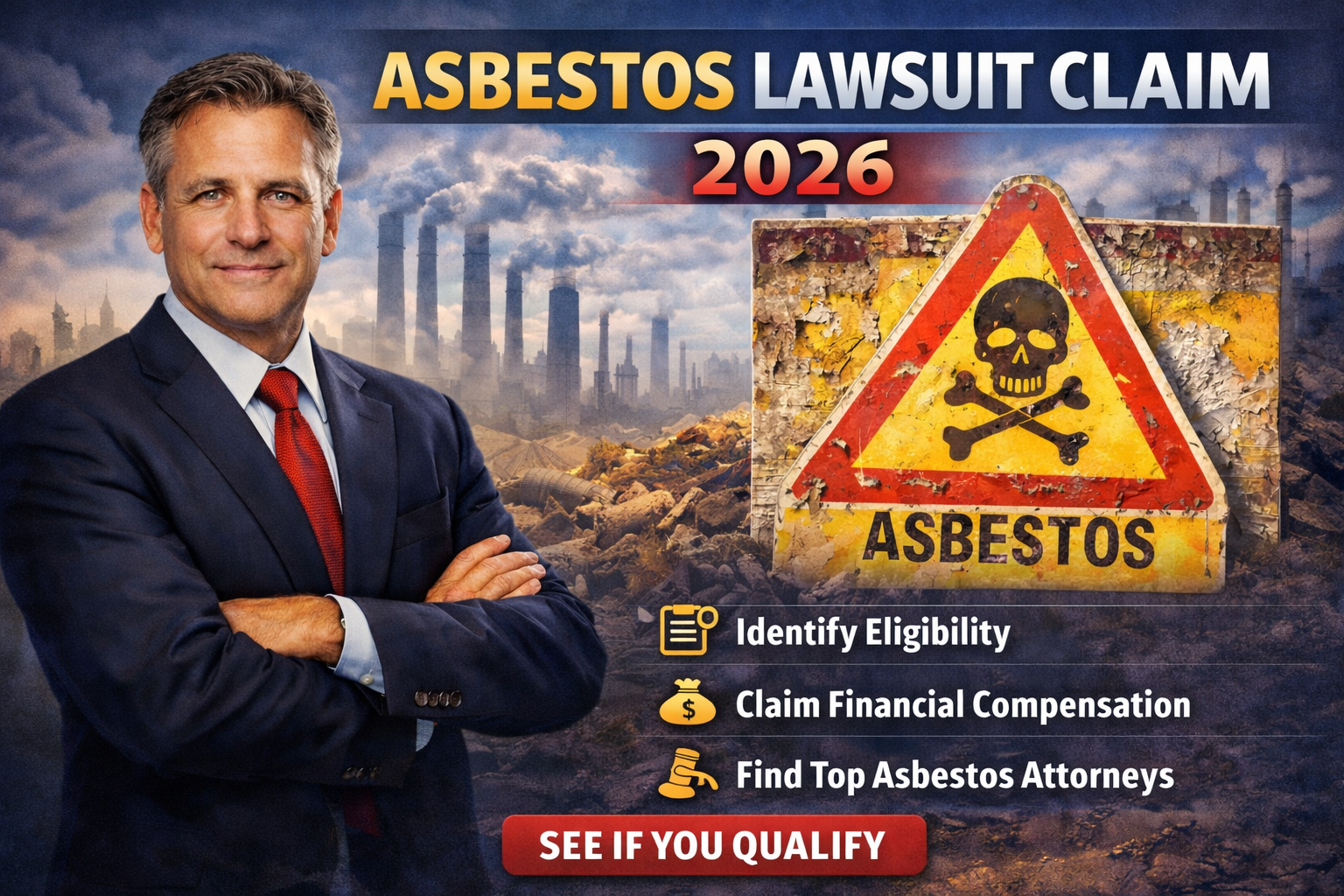
The Definitive Guide to Asbestos Lawsuit Claims in 2026: What Victims Need to Know
Imagine finding out after years of hard work that the materials you handled daily caused a deadly illness. Asbestos exposure still haunts millions, even though bans started decades ago. In 2026, lawsuits remain a key way for victims to seek justice and compensation.
Asbestos litigation stays vital because symptoms often show up 20 to 50 years after contact. Many face tight deadlines under state laws. This guide covers everything you need to file an asbestos lawsuit claim in 2026. It explains diseases like mesothelioma and asbestosis, plus steps to build a strong case. By the end, you’ll know how to start your claim process.
Section 1: Understanding Eligibility and Diagnosis for 2026 Claims
Eligibility Criteria for Asbestos Claimants
You qualify for an asbestos lawsuit claim in 2026 if a doctor links your illness to past exposure. Courts require proof that a company or employer caused the harm through negligence. Medical records play a big part in showing this connection.
Proving exposure happened at work or from products makes your case solid. Judges look for clear evidence, not just guesses. Without it, claims often fail, so act fast on gathering facts.
State rules vary, but most demand a formal diagnosis. This ensures only real victims get help. In 2026, expect stricter checks due to rising claims.
The Spectrum of Asbestos-Related Illnesses
Mesothelioma tops the list of asbestos diseases. It attacks the lungs’ lining and links directly to fiber inhalation. Victims often face short survival times after diagnosis.
Asbestosis scars lung tissue over time. It causes breathing issues and fatigue. Lung cancer from asbestos shares risks with smoking but stands alone as a claim basis.
Ovarian cancer joins the group too. Fibers may travel through the body to affect it. Latency periods stretch from 10 to 40 years, so a 2026 diagnosis could tie back to 1980s jobs.
Timing matters for claims. If diagnosed now, the clock starts. Delays in symptoms mean many hit statutes of limitations soon. Check your state’s rules early.
Essential Documentation Checklist for Potential Plaintiffs
Start with medical records. Get pathology reports that name asbestos as the cause. Include X-rays, biopsies, and doctor notes.
Next, collect work history. Pay stubs, tax forms, or union cards prove time at risky sites. Photos or coworker statements add weight.
Witness accounts help too. Family or ex-colleagues can describe dusty conditions. Keep everything organized in a folder.
Don’t forget product labels if you have them. Old invoices show asbestos use. This builds a full picture for lawyers.
Section 2: Key Legal Developments Shaping Asbestos Lawsuits in 2026
Statute of Limitations and Repose Deadlines
Most states give two to three years from diagnosis to file an asbestos lawsuit claim. Some start the clock at discovery of harm, not exposure date. In 2026, watch for extensions in places like California for old cases.
Repose laws cap claims at 10 to 20 years post-construction for buildings. This hits construction workers hard. Legislative shifts could shorten windows as trusts run low.
Check your state now. Tools online list deadlines. Missing them bars your claim forever.
For example, Texas tightened rules in 2025, affecting 2026 filings. Act before it’s too late.
The Status of Bankruptcy Trusts and Claims Procedures
Big firms like Johns-Manville set up trusts after bankruptcy. These hold billions for victims. In 2026, file online forms with medical proof and exposure details.
W.R. Grace trusts follow similar steps. Submit to the trust, not court first. Payouts range from $10,000 to over $1 million based on disease severity.
Direct suits target live companies like Honeywell. They go to court faster but face defenses. Trusts offer quicker cash without trials.
Procedures demand exact info. Miss a step, and claims delay. Use trust websites for guides.
Evolving Standards for Causation and Evidence Admissibility
Courts in 2026 stress strong science for causation. Daubert rules test expert witnesses on reliability. Weak links to asbestos get tossed out.
Recent rulings, like in federal cases last year, demand fiber count data. This proves dose-response ties. Lawyers must prep experts well.
Admissible evidence includes lab tests on lung tissue. Ignore junk science, or lose. Focus on peer-reviewed studies.
These changes weed out false claims. They help true victims win bigger awards.
Section 3: Identifying Responsible Parties and Exposure Sources
Tracking Down Legacy Manufacturers and Suppliers
Old companies merged or vanished, making hunts tough. Use databases like the Asbestos Case Tracker for records. They list 3,000-plus firms.
Public archives hold patents and ads showing asbestos sales. Hire investigators for deep digs. In 2026, AI tools speed this up.
Success stories abound. A 2025 case nailed a defunct insulation maker via old blueprints. Persistence pays.
Start with your workplace. Then trace suppliers. This pins blame right.
Common Avenues of Occupational Exposure (By Industry)
Shipyard workers faced heavy risks during WWII builds. Asbestos wrapped pipes and boilers. Many won claims citing Navy yards.
Construction crews cut asbestos tiles in the 1970s. Demolition stirs fibers too. Look for site logs.
Auto mechanics replaced brakes with asbestos pads until 1980s. Factories used it in textiles and cement. Examples include Ford plants paying out millions.
Insulation installers top exposure lists. Stats show 75% of mesothelioma cases tie to jobs. Pinpoint your role for strong suits.
Secondary Exposure Claims: Family Members and Bystanders
Wives washed dusty clothes, breathing fibers at home. Courts recognize take-home cases now. In 2026, more states allow them.
Bystanders near sites claim too. Kids played in contaminated yards. Liability grows for firms ignoring family risks.
A Michigan ruling last year awarded $20 million to a widow. It set precedent. Check if your exposure fits.
These claims need household proof, like laundry routines. They expand justice nets.
Section 4: Maximizing Compensation in Asbestos Lawsuits
Types of Damages Available to Claimants
Economic damages cover bills and lost income. Add future care costs. Courts calculate based on life expectancy.
Non-economic hits pain and emotional loss. Juries award for suffering. Loss of consortium compensates spouses.
Punitive damages punish bad actors. Rare, but big in gross negligence. Total awards average $1-2 million per case.
Mix them for full recovery. Track all expenses.
Navigating Structured Settlements vs. Jury Verdicts
Settlements from trusts guarantee money fast. No trial stress, but lower amounts. Take if you need cash now.
Trials risk zero but can yield millions. Juries sympathize with stories. In 2026, expect longer waits due to backlogs.
Weigh health against payout. Many opt for settlements at 60-70% of verdict value. Consult pros.
A New York verdict hit $250 million last year. But appeals drag on.
The Role of Specialized Asbestos Litigation Attorneys
Pick lawyers with 20+ years in asbestos. They know trusts like Garlock. National firms handle multi-state cases.
Fee structures run 25-40% contingency. No win, no pay. Ask about trust experience.
Look for free consults. They review docs quick. Top ones boast $10 billion recovered.
Good counsel boosts odds. Don’t go alone.
Conclusion: Preparing for the 2026 Asbestos Claim Journey
Asbestos lawsuit claims in 2026 demand quick moves amid changing laws and trusts. You’ve learned eligibility, docs, developments, sources, and max pay. Key steps for new diagnoses: Get a firm medical link to asbestos. Document every exposure detail. Consult an expert lawyer right away.
Timely action beats deadlines and grabs funds before trusts dry up. Solvency shifts fast. Start today—your future depends on it. Reach out to a specialist for a free review. Justice waits for no one.
Related posts:


Related posts:
 mesothelioma lawyer asbestos
 mesothelioma lawyer asbestos cancer lawsuit
 asbestos mesothelioma lawyer
 mesothelioma attorneys near me
 mesothelioma lawyer directory
 lawyers for mesothelioma
 firm law mesothelioma
 mesothelioma firms
 asbestos mesothelioma lawyers
 mesothelioma lawyer new york
 Best Mesothelioma Attorney in Texas (2026 Guide)
 Find Top Asbestos & Mesothelioma Lawyers Near Me | 2026

